
What is Red Light Therapy?
- Jan 28
- 5 min read
Updated: Feb 6
Red light therapy (often called RLT, photobiomodulation, or low-level light therapy) is a non-invasive wellness and recovery technology that uses specific wavelengths of red and near-infrared light to support how your body’s cells produce energy. People commonly use red light therapy for skin health, muscle recovery, joint comfort, inflammation support, and overall wellness either in a clinic setting or with at-home devices.

If you’ve ever wondered “Is red light therapy legit?” or “What does red light therapy actually do?”, you’re in the right place. This guide covers the essentials in plain english and includes a simple way to find red light therapy providers in Greater Cincinnati.
Red Light Therapy: The Simple Definition
Red light therapy is a treatment that shines red and near-infrared light onto your skin to help cells function more efficiently. The light is absorbed by your cells (especially in the mitochondria, your cells’ “energy engines”), which can support natural processes like tissue repair, circulation, and collagen production.
Unlike UV light from tanning beds, red and near-infrared light are not meant to damage the skin. The goal is cellular support, not burning or tanning.
How does Red Light Therapy Work?
Red light therapy typically uses two main bands of light:
Red light (visible): commonly associated with skin-focused goals (tone, texture, appearance)
Near-infrared (NIR) light (invisible): penetrates deeper and is commonly used for recovery, joints, and muscle support.
When these wavelengths reach your tissue, they can support the body’s natural processes by helping cells produce more usable energy (ATP). In everyday terms: cells that have more energy can do their jobs better, including repair and maintenance.
Common Benefits People Experience When Using Red Light Therapy
Skin appearance and “anti-aging” support
Many people use red light therapy to support:
Smoother-looking skin
More even tone
A firmer appearance (often discussed in relation to collagen and elastin support)
Muscle recovery and athletic performance
Red light therapy is popular with:
Lifters and runners
Team sport athletes
Anyone wanting help with post-workout recovery
Users often report feeling less “beat up” after consistent sessions.
Joint comfort and mobility
People often try near-infrared light for:
General joint stiffness
Comfort and mobility support
Recovery after activity
Inflammation and wellness routines
A growing number of people incorporate RLT as part of a wellness stack alongside:
Strength training
Massage and mobility work
What Does a Red Light Therapy Session Feel Like?
Most people describe it as:
Warm (but not painfully hot)
Relaxing
Quick and easy
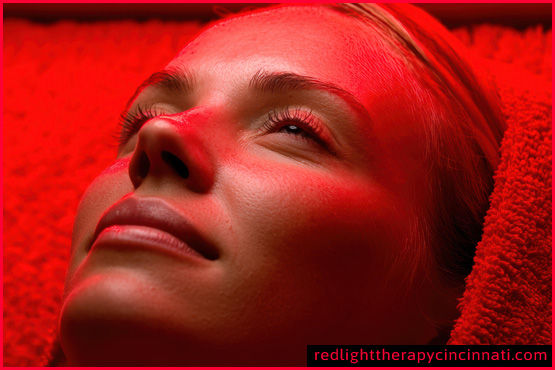
You typically stand or sit in front of a panel/bed, or a provider may target a specific area (like knees, back, shoulders, or face). You should not feel burning. If a session feels uncomfortably hot, your distance from the device may need adjustment.
How Long Does it Take to See Results?
This depends on your goal, your consistency, and the quality of the device being used.
A realistic expectation for many people:
Skin goals: often noticeable over several weeks with consistent sessions
Recovery goals: some people feel a difference sooner, but consistency still matters
Joint comfort: typically improves gradually with repeated use
In general, red light therapy tends to work best as a repeatable routine, not a one-and-done treatment.
Is Red Light Therapy Safe?
For most people, red light therapy is considered low-risk when used properly. That said, you should still be smart about it:
Basic safety tips
Use proper eye protection if the device is bright, especially for facial sessions
Follow the provider’s session recommendations (more is not always better)
Be cautious if you have a medical condition involving light sensitivity, or you take medications that increase photosensitivity.
If you’re pregnant, have a medical condition, or are under care for a specific diagnosis, it’s a good idea to ask your healthcare professional before starting any new therapy.
Red Light Therapy vs. Infrared Sauna vs. Tanning Beds
People often confuse these. Here’s the quick breakdown:
Red light therapy: targets cellular energy and tissue support via specific wavelengths.
Infrared sauna: uses heat (infrared) to warm the body and induce sweating.
Tanning beds: primarily use UV light to darken skin, this is not the same as red light therapy.
A studio may offer more than one of these services, but they’re not interchangeable.
How to Choose a Red Light Therapy Provider
If you’re searching “red light therapy near me,” look for a provider that can clearly answer these questions:
What wavelengths does your device use? Many reputable systems include both red and near-infrared.
Is it full-body or targeted? Full-body is popular for overall wellness; targeted can be great for specific areas.
How long is each session and how often do you recommend? A good provider will give a realistic plan based on your goal.
Do you have trained staff who guide usage? Especially helpful for first-timers.
What else is offered at the studio? Some places combine RLT with recovery services like massage, chiropractic, cryotherapy, or IV therapy.
A studio may offer more than one of these services, but they’re not interchangeable.
Find Red Light Therapy Providers in Greater Cincinnati
If you’re in the Cincinnati area, your next step is simple: choose a provider that matches your goal (skin, recovery, wellness, or targeted joint/muscle support) and book a first session.
On RedLightTherapyCincinnati.com, you can browse options across Greater Cincinnati, including:
Frequently Asked Questions
Does red light therapy help with weight loss?
Red light therapy is not a direct fat-loss tool like nutrition and training. Some people use it to support recovery and consistency, two things that can help you stick to a fitness plan.
How often should I do red light therapy?
Many routines start with multiple sessions per week for a few weeks, then move to maintenance. Your best frequency depends on your goal and how your body responds.
Can I do red light therapy at home?
Yes, there are home panels and masks. The main differences are power output, coverage, and convenience. A clinic can be a great way to try it before investing in a device.
What should I wear to a session?
Typically, the area you want to treat should be exposed. Studios usually provide guidance (and privacy) depending on the setup.
Key Takeaway
Red light therapy is a non-invasive method that uses red and near-infrared light to support cellular energy and natural recovery processes. People use it for skin appearance, muscle recovery, joint comfort, and general wellness. Like many wellness tools, the biggest benefits usually come from consistent use and choosing a provider with quality equipment and clear protocols.
If you’re in the area and want to try it, the easiest next step is to compare red light therapy providers in Greater Cincinnati and pick a location that matches your goals.

© 2026 by Woodlake Media Company, LLC


Comments